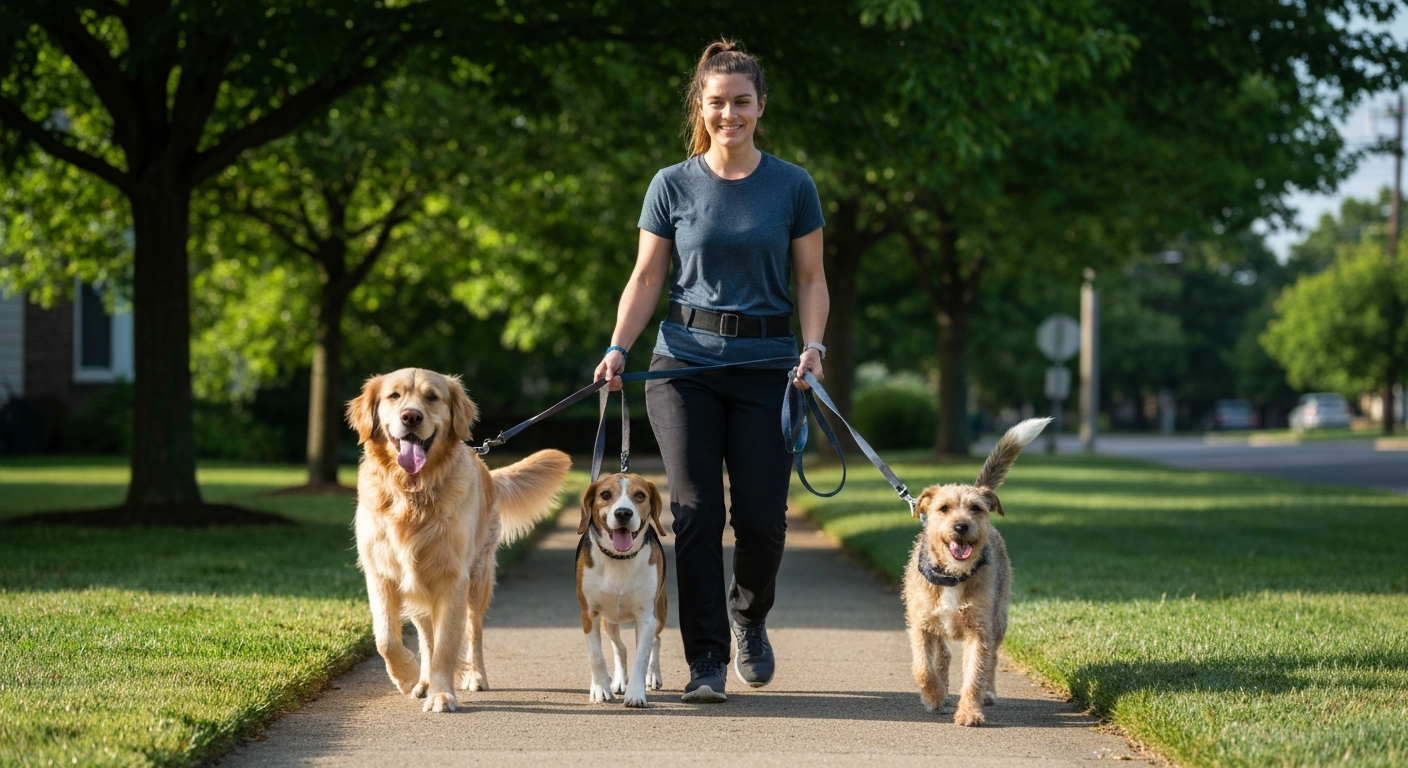
For most owners, a walk is a bathroom break with a leash. For your dog, it is the most important part of their day. It is their news feed, their gym, their therapy session, and their social calendar all in one 20-minute outing.
The way you walk your dog has a direct impact on their behavior at home, their anxiety levels, their physical health, and the bond they have with you. And most owners are unknowingly making the same handful of mistakes that undermine all of that.
This guide covers everything: how much exercise dogs actually need by breed, the most common walking mistakes, safety tips most owners skip, and when a professional dog walker might be the best investment you make for your pet.
Why Dog Walks Are About More Than Exercise
Mental stimulation: sniffing alone activates a dog's brain more than a full run. Each smell tells a story about who was there, when, and what they were doing. Letting dogs sniff is not wasted time. It is deeply enriching.
Behavioral benefits: under-walked dogs account for the majority of behavioral complaints vets and trainers receive. Destructive chewing, excessive barking, hyperactivity, and anxiety are all commonly rooted in insufficient physical and mental stimulation.
Bonding: side-by-side activity builds trust and attachment in dogs in a way that even play at home does not fully replicate.
The Sniff Factor
Let your dog stop and smell things on walks. A 20-minute sniff walk tires a dog out more effectively than a 20-minute fast-paced walk.
The 5-Minute Rule for Puppies
Young dogs should walk no more than 5 minutes per month of age to protect developing joints. A 3-month-old puppy: 15 minutes max.
How Much Exercise Does Your Dog Actually Need?
One-size-fits-all advice fails dogs constantly. A Border Collie and a Basset Hound have completely different needs.
| Energy Level | Breed Examples | Daily Exercise Needed |
|---|---|---|
| Very High | Border Collie, Husky, Jack Russell, Dalmatian | 2+ hours |
| High | Labrador, Golden Retriever, Boxer, Vizsla | 60-90 minutes |
| Moderate | Bulldog, Poodle, Cocker Spaniel, Whippet | 45-60 minutes |
| Low | Basset Hound, Shih Tzu, Chow Chow, Pekingese | 20-30 minutes |
| Senior | All breeds (adjust for age and health) | 15-30 minutes |
These are minimums on most days. One long walk on weekends does not replace daily shorter walks. Consistency matters more than occasional marathon sessions.
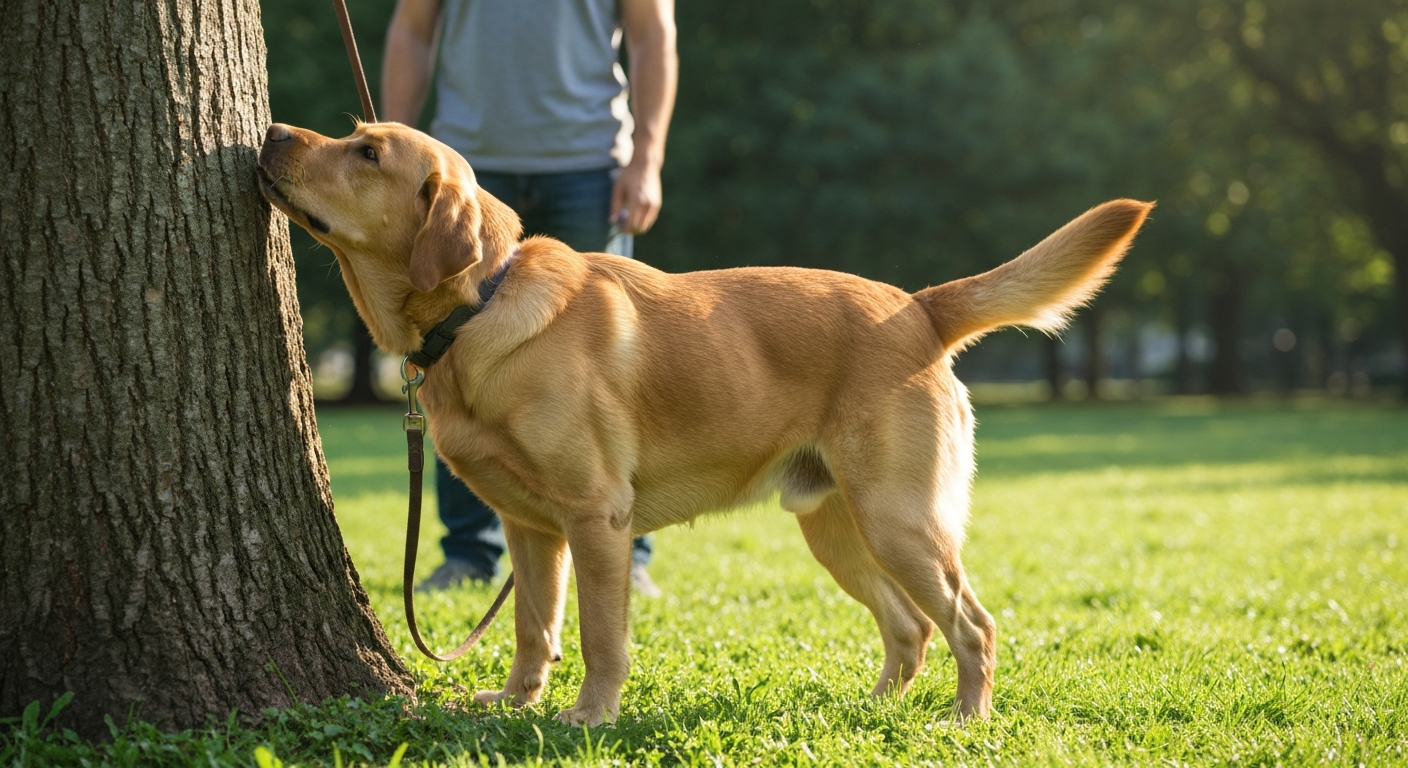
Allowing your dog time to sniff and explore provides crucial mental stimulation that tires them out just as much as physical exercise.
7 Common Dog Walking Mistakes (and How to Fix Them)
These mistakes are extremely common and most owners do not realize they are making them.
Rushing Past Every Smell
Constantly pulling your dog away from sniffing communicates that their instincts are wrong and creates frustration.
Fix: build sniff breaks into every walk deliberately. Let them investigate for 30-60 seconds then move on calmly.
Inconsistent Leash Tension
If you sometimes allow pulling and sometimes correct it your dog gets a confusing message. Consistency is everything.
Fix: decide on your rules before you walk and apply them every single time regardless of how tired you are.
Skipping Walks When Busy
One long walk on weekends cannot replace five shorter daily walks. Dogs need routine and consistency to thrive.
Fix: treat the morning walk like a non-negotiable appointment. Even 15 focused minutes is better than nothing.
Walking the Same Route Every Day
Familiar routes provide less mental stimulation over time. Your dog already knows every smell on that block.
Fix: rotate routes weekly. New environments dramatically increase the mental engagement value of the same walk time.
Using the Wrong Equipment
Retractable leashes give dogs poor feedback and train pulling. Ill-fitting collars can cause neck injury.
Fix: use a fixed-length 4-6 foot leash. Consider a front-clip harness for dogs who pull to redirect naturally.
Letting Your Dog Greet Every Dog
Not every dog wants to say hello and forcing the interaction causes reactivity over time especially if a meeting goes badly.
Fix: ask the other owner first. Read body language. A stiff tail, hard stare, or tense body means no greeting today.
Ending Walks Too Abruptly
Going straight from high-energy walk to home and crate does not give your dog time to decompress.
Fix: spend 3-5 minutes at the end of each walk at a slower pace or sitting quietly before going back inside.
A tired dog is a good dog. But a mentally stimulated dog is an even better one. The best walks do both.
Walking Safety Tips Most Owners Skip
- Hot pavement check: place your hand on the pavement for 7 seconds. Too hot for your hand means too hot for paws.
- Night walking: use a reflective leash and a light-up collar or clip-on LED so drivers can see you both.
- Reactive dogs: always position yourself between your dog and approaching dogs or strangers to prevent lunging.
- Wildlife encounters: teach a solid Leave It command before walking near parks, trails, or wooded areas.
Always Tag Up
A current ID tag and microchip are your best insurance if your dog slips a leash or collar on a walk.
Bring Water on Long Walks
Dogs need water every 15-20 minutes of sustained activity in warm weather. A collapsible bowl is light and easy to carry.
Know Your Emergency Vet
Have your nearest emergency vet saved in your phone before you ever need it. Searching mid-crisis costs precious time.
When to Consider a Professional Dog Walker
There is no shame in admitting your schedule does not allow for the walks your dog needs. A professional dog walker is not a luxury. For working owners with high-energy dogs it is often the single most impactful investment in their dogs wellbeing.
Your dog might need a walker if...
- You work more than 8 hours away from home regularly
- Your dog shows signs of anxiety, destruction, or restlessness
- You have a high-energy breed with more needs than you can meet
- You travel frequently and need reliable daily coverage
- You are recovering from illness or injury
What a good dog walker provides...
- Consistent midday exercise and bathroom relief
- Socialization and human interaction during long work days
- Real-time updates and photos of each walk
- A trusted relationship with your dog built over time
- Peace of mind that your dog is in good hands
Find a Trusted Dog Walker Near You
Browse verified dog walkers across the US. Read reviews, check availability, and connect directly.
Find a Dog WalkerFree for pet owners. No signup required.
Walking your dog well is one of the simplest and highest impact things you can do for their health and happiness. It does not require expensive gear or hours of free time. It requires consistency, a little knowledge, and a willingness to slow down and let your dog actually be a dog for 20 minutes. Start there. Everything else gets easier.
Looking for trusted pet services near you?
Browse the Pet Pros Directory - free for pet owners.
Browse the Directory