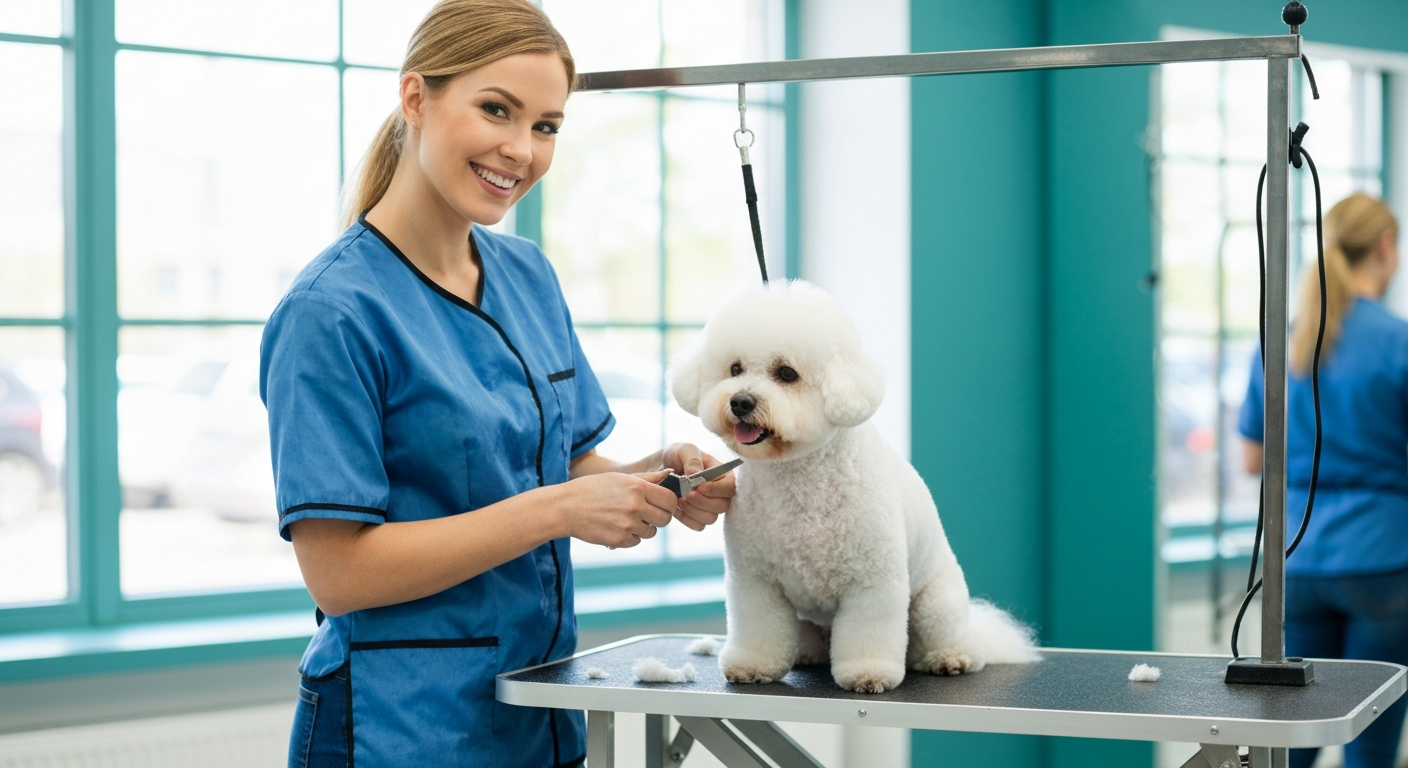
Grooming is not just about looks. For most breeds it is an essential part of health. Matted fur leads to skin infections. Overgrown nails affect posture and joints. Ear buildup causes painful infections. The groomer handles your dog without you in the room so choosing right matters more than most pet owners realize.
The pet grooming industry is largely unregulated in the US. Anyone can call themselves a professional groomer. This guide gives you the tools to tell the difference.
What Qualifications Should a Dog Groomer Have?
While no federal license is required, the best groomers pursue voluntary certifications. Organizations like the NDGAA and IPG offer rigorous testing and certification programs that demonstrate a groomer's commitment to their craft and animal safety.
NDGAA
National Dog Groomers Association of America. Certified Professional Pet Groomers pass written and hands-on exams.
IPG
International Professional Groomers. Look for the Certified Master Groomer designation for top-tier skill.
Note that beyond certifications, breed specialization matters. A groomer who knows Doodles is not automatically right for a Shar-Pei.
7 Questions to Ask Before You Book
- Are you familiar with my breed?
Different breeds require different techniques, tools, and cuts. Ask specifically not generally. - Can I see your facility?
A confident reputable groomer always says yes. Hesitation or refusal is a red flag. - Do you use cage dryers or hand dryers?
Cage dryers have been linked to overheating deaths in dogs. Hand drying or kennel drying with air flow is safer. - Are you trained in pet first aid?
Accidents happen. A groomer trained in pet first aid can respond quickly if something goes wrong. - How long will the appointment take?
Most grooms take 2-4 hours. If a groomer says all day your dog may be spending hours in a crate between steps. - What products do you use?
Shampoos and conditioners matter especially for dogs with allergies or sensitive skin. - How do you handle anxious or reactive dogs?
The answer should never involve sedation without vet approval or physical restraint beyond what is necessary and humane.
A great groomer welcomes your questions. If asking about their methods makes them defensive that tells you everything.
Red Flags That Should Make You Walk Away
If you notice any of these warning signs, it is best to look elsewhere for your dog's grooming needs:
Watch Out For These Red Flags
-
They refuse a facility tour or photos of the space
-
No online reviews or only generic 5-star reviews with no detail
-
They cannot name the products they use on your dog
-
Prices dramatically lower than all local competitors (often means cutting corners on time, product quality, or safety)
-
Your dog comes home with unexplained cuts, burns, or extreme anxiety
-
They cannot tell you how many dogs are in the facility at once
-
They use the phrase Express Grooming without explaining what it means
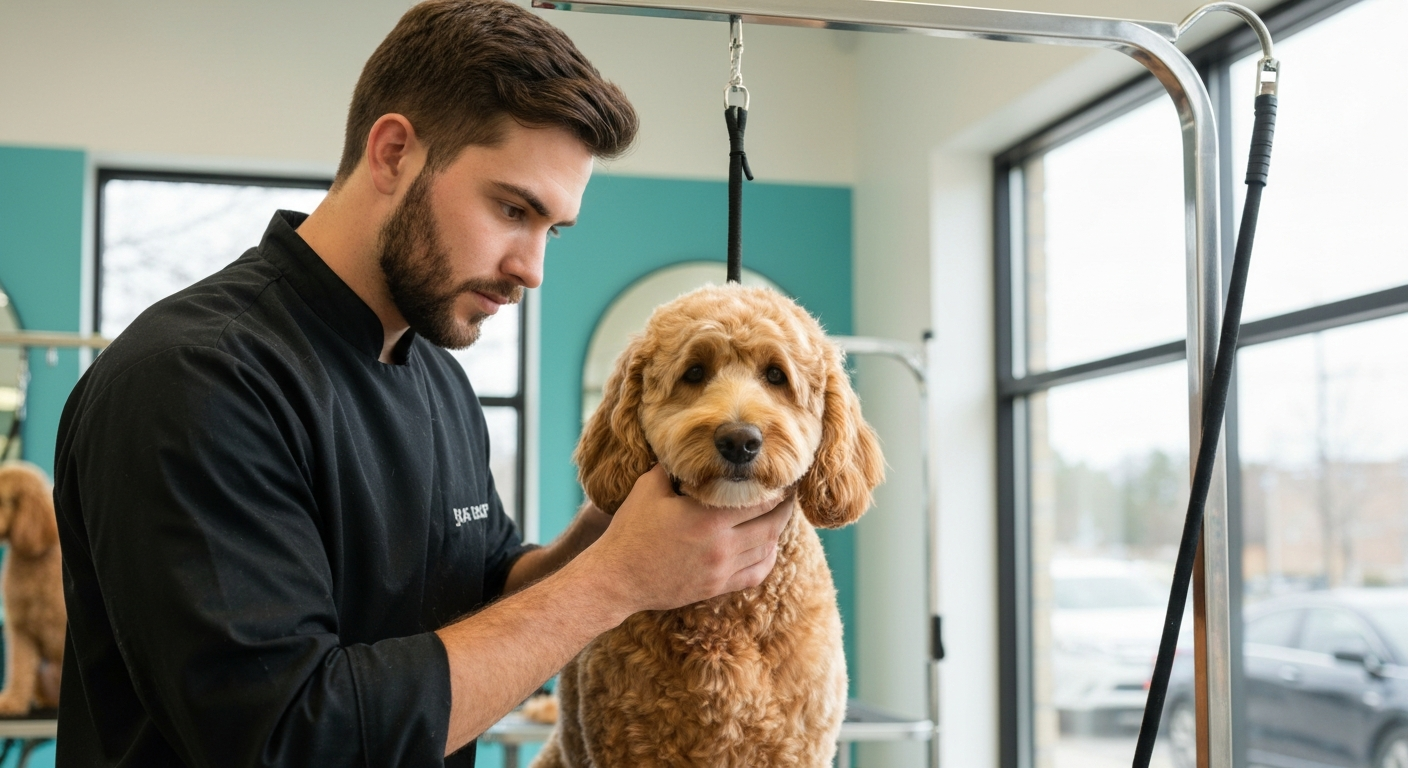
Professional groomers use breed-specific techniques that make a real difference in your dogs comfort.
How to Prepare Your Dog for Their First Grooming Visit
The experience is shaped as much by what you do at home as by the groomer. Dogs regularly handled at home are dramatically easier to groom and experience far less stress.
Start handling early
Start handling paws, ears, and mouth at home from puppyhood
Brush regularly
Brush regularly between appointments to prevent matting
Let them explore
Let your dog sniff and explore the grooming space before starting
Avoid large meals
Avoid feeding a large meal right before to prevent nausea
Stay calm at drop-off
Dogs read your energy. An anxious goodbye makes separation harder for them.
How Often Should You Groom Your Dog?
Grooming frequency depends heavily on your dog's breed, coat type, and lifestyle. Here is a general guideline to help you plan:
| Coat Type | Breed Examples | Recommended Frequency |
|---|---|---|
| Short smooth coat | Beagle, Boxer, Dachshund | Every 8-12 weeks |
| Medium double coat | Labrador, Golden Retriever, Husky | Every 6-8 weeks |
| Long silky coat | Maltese, Yorkshire Terrier, Shih Tzu | Every 4-6 weeks |
| Curly or wavy coat | Poodle, Labradoodle, Bichon Frise | Every 4-8 weeks |
| Wire coat | Schnauzer, Jack Russell, Airedale | Every 8-12 weeks |
Finding a Trusted Groomer Near You
Word of mouth is still the most reliable starting point. Ask your vet, dog trainer, or other dog owners in the neighborhood. Once you have a name, do your homework before booking.
Do Your Research
Check reviews, ask for a tour, and verify credentials.
Trust Your Dog
If your dog is consistently stressed after visits listen to them.
Stay Consistent
The same groomer every visit reduces anxiety over time.
The right groomer becomes a trusted part of your dog's life. Many dogs who start out anxious about grooming become calm and even excited once they have a consistent groomer they trust. Take your time choosing. Your dog cannot tell you if something feels wrong but you can advocate for them before it gets that far.
Find a Trusted Groomer Near You
Browse verified pet groomers across the US. Read reviews, check services, and connect directly.
Browse GroomersFree for pet owners. No signup required.
Looking for trusted pet services near you?
Browse the Pet Pros Directory - free for pet owners.
Browse the Directory