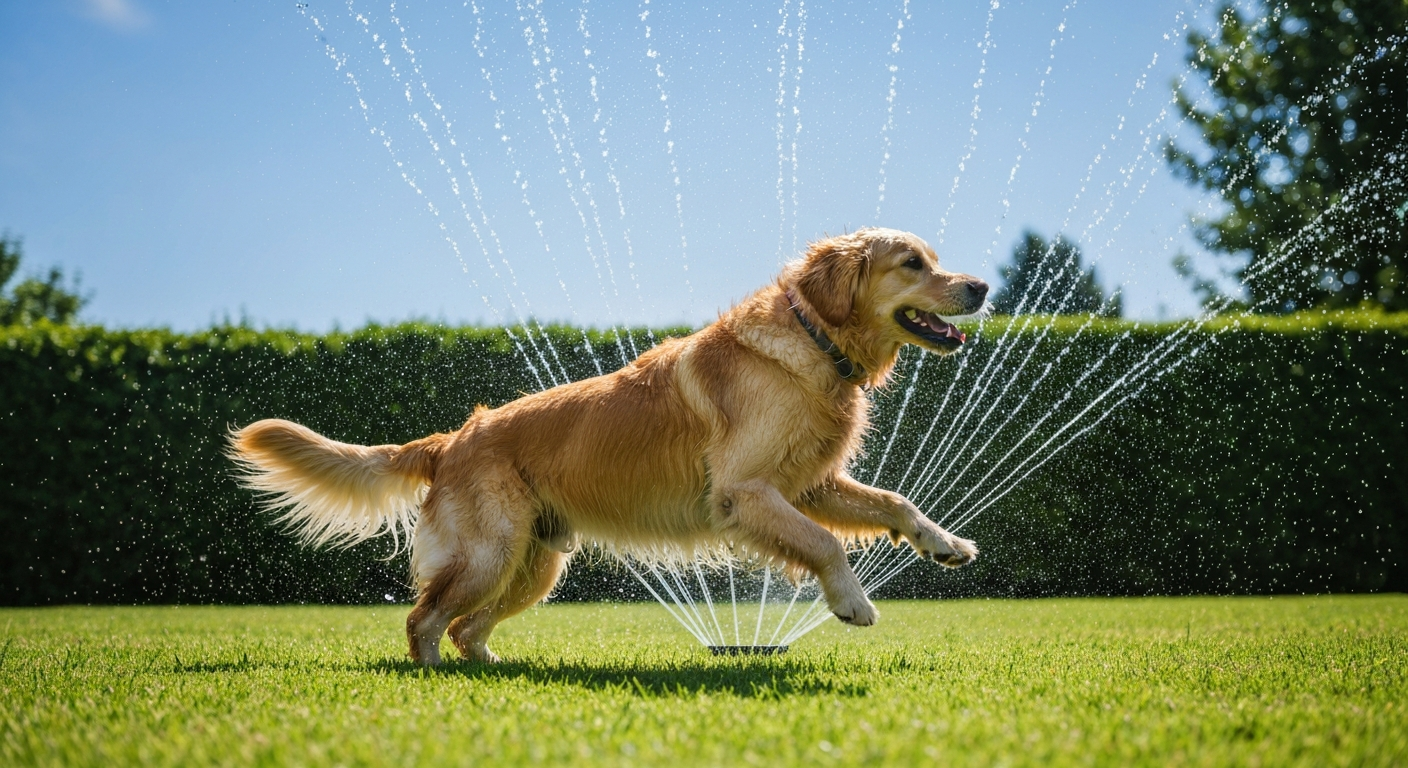
Summer is the season most pet owners look forward to. Longer days, outdoor adventures, road trips. But summer is also when animal emergency clinics see their highest volume of preventable cases. Heatstroke. Burned paws. Dehydration. Hot car emergencies.
Dogs and cats cannot regulate body temperature the way humans do. They rely almost entirely on panting and a small number of sweat glands in their paw pads. On a 90-degree day, that system can be overwhelmed in under 20 minutes.
This guide covers everything you need to keep your pet safe this summer, including what to do if things go wrong.
Why Heat Hits Pets Harder Than You Think
Dogs cool themselves almost entirely through panting, which exchanges hot air for cooler air. In high humidity, this mechanism barely works because the air already holds so much moisture.
Normal dog body temperature is 101-102.5 degrees Fahrenheit. At 104 degrees, organ damage begins. At 107 degrees, it is often fatal without immediate intervention.
Flat-faced breeds (Bulldogs, Pugs, French Bulldogs, Shih Tzus) are at extreme risk because their airways are already compromised. They should be treated as high-risk in any warm weather above 75 degrees.
Dogs in Cars
On an 80-degree day, the inside of a parked car reaches 99 degrees in 10 minutes and 114 degrees in 30 minutes. Never leave your pet in a parked car.
High-Risk Dogs
Senior dogs, overweight dogs, puppies under 6 months, and brachycephalic breeds need extra protection even in moderate heat.
Warning Signs of Overheating and Heatstroke
Knowing the difference between early overheating and full heatstroke determines how you respond.
- Heavy panting that does not slow with rest
- Excessive drooling or thick ropy saliva
- Seeking shade or refusing to continue walking
- Slowing down noticeably on walks
- Bright red gums or tongue
- Vomiting or diarrhea (may contain blood)
- Stumbling, disorientation, or collapse
- Glazed eyes or loss of responsiveness
- Pale, gray, or blue gums
- Seizures
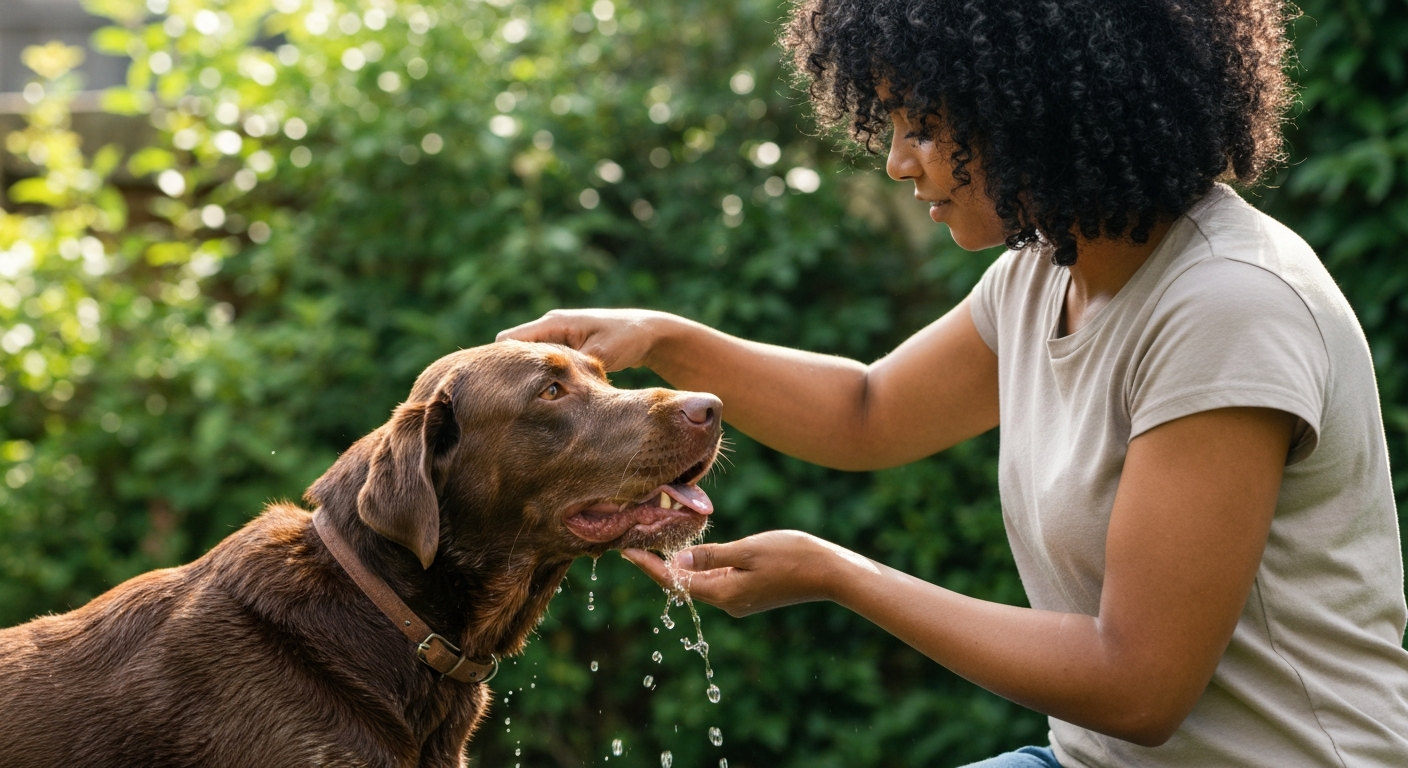
If your dog shows early signs of overheating move them to shade immediately and offer cool (not cold) water.
What to Do If Your Pet Overheats (Step by Step)
Move Them to a Cool Area Immediately
Shade, air conditioning, or any cooler environment. Do not wait to see if they improve on their own.
Offer Cool Water to Drink
Let them drink small amounts voluntarily. Do not force water into a dog that is disoriented or unresponsive.
Apply Cool (Not Cold) Water to Their Body
Focus on the neck, armpits, groin, and paw pads where blood vessels are close to the surface. Avoid ice water which can cause blood vessels to constrict and slow cooling.
Use a Fan If Available
Moving air speeds up the cooling process significantly. Even a car with air conditioning pointed at them helps.
Check Gum Color Every Few Minutes
Pink and moist means improving. Pale, white, or blue means call an emergency vet immediately.
Get to a Vet Even If They Seem Better
Internal organ damage from heatstroke is not always visible. A vet check after any significant overheating episode is strongly recommended.
The biggest mistake pet owners make is waiting to see if their dog improves. With heatstroke minutes matter. When in doubt get to a vet.
8 Ways to Keep Your Pet Cool All Summer
Always Have Fresh Water Available
Change water twice daily in summer. Add ice cubes to keep it cool longer. Consider a pet water fountain for constant flow.
Walk at the Right Times
Before 8am or after 7pm when pavement and air temps drop. Midday walks in summer are the highest risk window.
Keep Up With Grooming
Matted fur traps heat close to the body. A summer trim by a professional groomer helps many breeds stay cooler. Never shave double-coated breeds - their coat also insulates.
Create a Cool Indoor Space
A cooling mat, a fan, and a tile floor spot can make a real difference. Some dogs seek out the coolest surface in the house and will stay there naturally.
Try Frozen Treats
Frozen dog-safe treats (frozen broth, fruit ice, commercial frozen chews) are a great enrichment tool that also helps lower core body temperature gradually.
Check the Pavement First
Place the back of your hand on the pavement for 7 seconds. If it is too hot to hold your hand there it is too hot for your dog's paws. See the section below.
Never Leave Them in the Car
Not even with the window cracked. Not even for 5 minutes. Temperatures in parked cars rise faster than most people realize.
Let Them Splash and Play
A kiddie pool in the backyard, a sprinkler, or a trip to a dog-friendly lake or beach are excellent summer activities that combine exercise with natural cooling.
The Hot Pavement Problem Nobody Talks About Enough
Asphalt absorbs and retains heat at a rate that surprises most dog owners. On an 87-degree day, asphalt can reach 143 degrees. That is egg-frying temperature.
Dogs walk directly on this surface. Paw pad burns happen quickly and are extremely painful.
Signs of burned paw pads:
- Limping or refusing to walk
- Licking or chewing at paws
- Pads appear red, blistered, or darker than usual
- Whimpering when paws are touched
Solutions: Walk on grass where possible, walk at cooler times of day, consider dog boots for midday outings, and always do the 7-second hand test before walking.
Find a Trusted Vet Near You
If your pet shows signs of heatstroke do not wait. Browse verified veterinarians across the US who are accepting new patients.
Find a Vet Near YouFree for pet owners. No signup required.
Summer with your pet should be one of the best parts of the year. The goal is not to keep them locked inside in the AC all season. It is to enjoy the warm months together with simple habits that keep them safe. A little awareness goes a long way. Know the signs, adjust the routine, and when something does not look right trust your instincts and make the call. Your vet would always rather hear from you early than see your pet in crisis.
Looking for trusted pet services near you?
Browse the Pet Pros Directory - free for pet owners.
Browse the Directory